
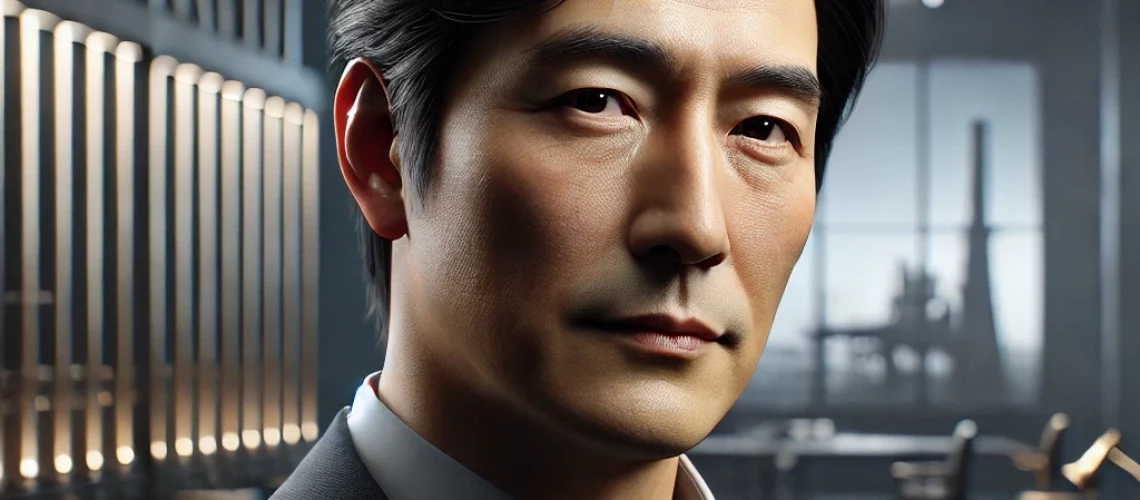

Xiang Guangda is a Chinese industrialist who transformed a small auto parts workshop into the global giant Tsingshan Holding Group, the world’s largest producer of stainless steel and nickel. Known as “Big Shot” in China’s metal industry, his influence reshaped markets and drove innovations in metallurgy.
He is most notable for taking a massive short position in nickel that led to one of the largest short squeezes in history, illustrating both the scale of his bets and the volatility of commodity markets. Despite facing serious financial risks, Xiang’s vision and resilience keep him at the center of the metal industry’s evolution.
His story reflects a journey from humble beginnings to becoming a powerful tycoon whose decisions impact global markets. This blend of ambition, strategy, and market disruption makes his career worth examining closely.
Early Life and Background
Xiang Guangda’s beginnings shaped his path from modest origins to business leadership. He grew up in a working-class setting and pursued technical education, which influenced his early career choices and work ethic.
Family and Upbringing
Xiang Guangda was born in 1958 in Wenzhou, Zhejiang, to a working-class family. His parents were laborers without financial resources or influential connections. This environment required him to be self-reliant from an early age.
Growing up in a modest household meant Xiang had to focus on practical skills and steady work. The socioeconomic conditions of his family pushed him to seek stability and progress through employment rather than inheritance or privilege.
Education
Xiang attended a technical school, where he gained practical knowledge and skills. This education was directly aligned with the industrial environment around him.
He completed his studies equipped to enter hands-on roles rather than academic or theoretical ones. This technical foundation later helped him secure a position in a state-owned fishery company.
Early Interests and Influences
Initially, Xiang Guangda worked as a mechanic and car repairer after graduating from technical school. His early job roles were grounded in practical mechanics, which gave him firsthand experience in industry operations.
His work in a state-run fishery and mechanical workshops provided a foundation in managing industrial processes. These early roles influenced his understanding of production and leadership within a company setting.
Founding of Tsingshan Holding Group
Xiang Guangda’s establishment of Tsingshan Holding Group marked a significant entry into China’s metallurgical industry. The company began as a small enterprise but quickly grew due to strategic decisions and strong leadership. Early obstacles shaped its path toward becoming a global player in stainless steel and nickel production.
Origins of the Company
Tsingshan Holding Group was founded in 1988 by Xiang Guangda in Wenzhou, China. He left a state-owned enterprise to fully commit to entrepreneurship, focusing initially on stainless steel manufacturing. The name “Tsingshan” means “green mountain,” reflecting an early aspiration toward growth and resilience.
In 1998, the company formally transitioned to Zhejiang Tsingshan Special Steel Co., Ltd., signaling a more focused effort on special steel products. Xiang started alongside business partners including Zhang Jimin, combining resources and expertise. This foundation enabled Tsingshan to expand rapidly in the steel and metal markets.
Initial Challenges
At inception, Tsingshan faced typical challenges of a new manufacturing firm in a competitive sector. Limited access to technology and capital were significant hurdles. Additionally, the company had to establish supply chains and secure raw materials amid China’s rapidly evolving economy.
Xiang initially aimed to enter the technology sector but shifted to metallurgy, adjusting to market realities. Establishing operations in Wenzhou, a manufacturing hub, helped mitigate some logistical challenges. These early struggles informed the company’s cautious yet ambitious strategy in subsequent years.
Vision and Leadership Style
Xiang Guangda’s leadership combined strategic risk-taking with pragmatic management. He pursued vertical integration by expanding into nickel mining and production, particularly in Indonesia, starting in 2009. This diversification bolstered Tsingshan’s supply chain and global competitiveness.
His approach favored long-term investments and building operational scale. Xiang was known for hands-on involvement and adaptability, traits that helped the company navigate market volatility. Under his direction, Tsingshan developed from a local steelmaker into one of the world’s leading producers of stainless steel and nickel.
Rise in the Global Nickel Market
Xiang Guangda significantly influenced the nickel market through strategic investments and technological advancements. His activities reshaped production dynamics and affected supply chains on a global scale.
Expansion into Indonesia
Xiang Guangda’s Tsingshan Holding Group capitalized on Indonesia’s rich laterite nickel reserves. By establishing large-scale nickel processing facilities there, Tsingshan secured access to raw materials while benefiting from favorable local policies.
This move allowed Tsingshan to bypass traditional supply chain bottlenecks tied to nickel ore exports. Their investment included smelters and refining plants designed to produce battery-grade nickel, crucial for electric vehicle batteries.
Indonesia’s role shifted from a raw material supplier to a major global refined nickel exporter. This expansion strengthened Tsingshan’s position as a leading nickel producer worldwide.
Innovations in Nickel Production
Tsingshan’s success partly stems from its advancements in nickel processing techniques. The company developed efficient, low-cost methods to extract and refine nickel from laterite ores, which were historically less economical.
They implemented high-pressure acid leaching and other hydrometallurgical processes to increase yield and reduce environmental impact. These innovations lowered production costs in a market sensitive to commodity price swings.
Additionally, Tsingshan improved its ability to produce nickel suitable for the battery industry, aligning with growing electric vehicle demand. These technological steps gave Tsingshan a competitive edge in both cost and product quality.
Impact on Global Supply Chains
Xiang Guangda’s activities disrupted traditional nickel supply chains by increasing refined nickel availability outside established markets like the LME. Tsingshan’s scale and output affected global nickel pricing and trading dynamics.
His company’s large short positions in nickel futures also contributed to market volatility when prices unexpectedly surged. This event exposed vulnerabilities in supply-demand forecasts and raised concerns over commodity market transparency.
Tsingshan’s integrated operations—from mining to refining—enabled it to exert greater control over supply chains. This integration helped stabilize supplies for industries relying on nickel but introduced new risks tied to market speculation.
Controversies and Market Influence
Xiang Guangda’s actions significantly affected the nickel market, triggering major price swings and attracting global attention. His aggressive short position exposed vulnerabilities in commodity trading and raised questions about market stability and oversight.
2022 Nickel Short Squeeze Incident
In March 2022, Xiang Guangda faced massive losses when nickel prices surged over 250%, reaching above $100,000 per ton. This spike caused his short position to plunge into more than $8 billion in losses.
The unprecedented price jump forced trading halts on the London Metal Exchange (LME) to manage market turmoil. Xiang’s position disrupted nickel futures, creating ripple effects across global markets dependent on the metal.
His company, Tsingshan Holding Group, led the short trade expecting a decline in nickel prices, but market dynamics reversed sharply. This incident became one of the largest short squeezes in recent commodity history.
Market Reactions and Consequences
The nickel price spike prompted broad market reactions, including volatility in stainless steel and battery metal sectors. Traders and industry players faced uncertainty over supply costs and contract settlements.
Investors reassessed risk strategies due to the unexpected rapid price changes. The incident highlighted risks tied to concentrated bets in commodities with tight physical markets.
The event also underscored the opaque nature of nickel trading, where large positions can move prices significantly. It revealed vulnerabilities in market liquidity and raised concerns over systemic risks.
Regulatory Scrutiny
Following the squeeze, regulators worldwide intensified their focus on commodity markets. Questions emerged about possible market manipulation and the adequacy of existing safeguards.
The LME took steps to improve transparency and tighten rules on large positions. Authorities examined if Tsingshan’s trading activities contributed to destabilizing price movements.
Xiang’s case prompted discussions on balancing market freedom with the need for oversight to prevent similar disruptions. Regulatory bodies remain vigilant toward potential interference in metals trading.
Achievements and Awards
Xiang Guangda has built a notable legacy through strategic business growth and significant contributions to the steel and nickel industries. His accomplishments are reflected in both industry recognition and key business milestones.
Industry Recognition
Xiang is widely acknowledged as a leading figure in metallurgy, especially in stainless steel manufacturing. As the founder of Tsingshan Holding Group, he has established the company as the world’s largest producer of stainless steel. This position has earned him recognition for innovation and influence within the global metals market.
His efforts have also earned respect beyond industrial circles, including notable investments in real estate, signifying a diversified and robust business portfolio. Despite facing market challenges, such as fluctuations in nickel prices, he remains regarded as a visionary metal industry leader.
Business Milestones
Starting from a small workshop in 1986, Xiang expanded his enterprise into an industrial powerhouse. The establishment of Tsingshan Holding Group marked a turning point, transforming it into a multinational company with overseas nickel ore smelting operations.
His leadership guided Tsingshan to dominate stainless steel production worldwide. Along with vertical integration in nickel and new energy, these expansions exemplify his strategic business acumen. Xiang’s ability to scale from a local auto parts manufacturer to a billionaire industrialist highlights his impact on industry growth.
Personal Philosophy and Business Approach
Xiang Guangda’s approach to business is grounded in pragmatic decision-making and resilience. His personal values emphasize practical leadership and efficient management to sustain long-term growth in a volatile market.
Leadership Principles
Xiang focuses on clear communication and decisive action. He believes leaders must understand market dynamics deeply and act swiftly to maintain competitive advantage.
He values adaptability, encouraging his team to respond flexibly to changing conditions without losing sight of core business goals.
Integrity and accountability are central; Xiang expects leaders to take responsibility for their decisions and outcomes. This builds trust internally and externally.
His style is hands-on, regularly engaging with team members and operations to ensure alignment and maintain high standards.
Management Practices
Xiang implements structured yet flexible management systems. He prioritizes data-driven strategies and operational efficiency to optimize production and cost control.
He promotes a culture of continuous improvement, where feedback loops help refine processes and reinforce quality.
Delegation is strategic; Xiang identifies competent managers and empowers them with clear goals while maintaining oversight to minimize risks.
Investment in technology and innovation supports his vision of modernization, ensuring the business stays ahead in a competitive industry.
Legacy and Long-Term Impact
Xiang Guangda has significantly shaped multiple domains through his leadership in stainless steel production and strategic market moves. His influence spans Chinese industrial growth, global commodity markets, and targeted philanthropic activities, reflecting a multifaceted legacy.
Influence on Chinese Industry
Xiang Guangda transformed China’s stainless steel sector by founding Tsingshan Holding Group, which became the world’s largest producer. His vision scaled the company from a small workshop into an industrial giant, pushing China’s metallurgical capabilities forward.
He pioneered cost-effective stainless steel production techniques that strengthened China’s position in global markets. His leadership encouraged innovation and industrial expansion, creating numerous jobs and boosting local economies, particularly in Zhejiang province and beyond.
This industrial growth under Xiang helped reduce reliance on imported metals and enhanced China’s self-sufficiency in high-demand raw materials. His approach also inspired other entrepreneurs to advance metallurgy and manufacturing in the region.
Contribution to Global Commodities
Xiang Guangda’s activities in commodity markets, especially nickel trading, had a pronounced impact worldwide. His bold short positions on nickel futures contributed to extreme price volatility in global metal markets.
Despite a costly setback during the nickel price spike, his actions exposed vulnerabilities in commodity trading systems and led to regulatory interventions, such as the LME’s cancellation of certain trades to stabilize the market.
His role highlighted China’s growing power in influencing global commodity supply chains. Xiang’s case also demonstrated how industrial players could impact financial markets, bridging manufacturing with global finance in unprecedented ways.
Philanthropic Efforts
While more known for his business acumen, Xiang Guangda has engaged in philanthropy primarily focused on supporting industrial communities and education. His company has invested in social infrastructure and skills development programs, aiming to improve workers’ livelihoods.
He has contributed to regional development projects, emphasizing vocational training to foster a skilled workforce that can sustain China’s industrial growth. These initiatives align closely with his vision of long-term economic stability.
His philanthropy remains pragmatic, favoring projects that reinforce industry and community resilience rather than high-profile charitable donations. This reflects a commitment to sustainable impact within his operational domains.