
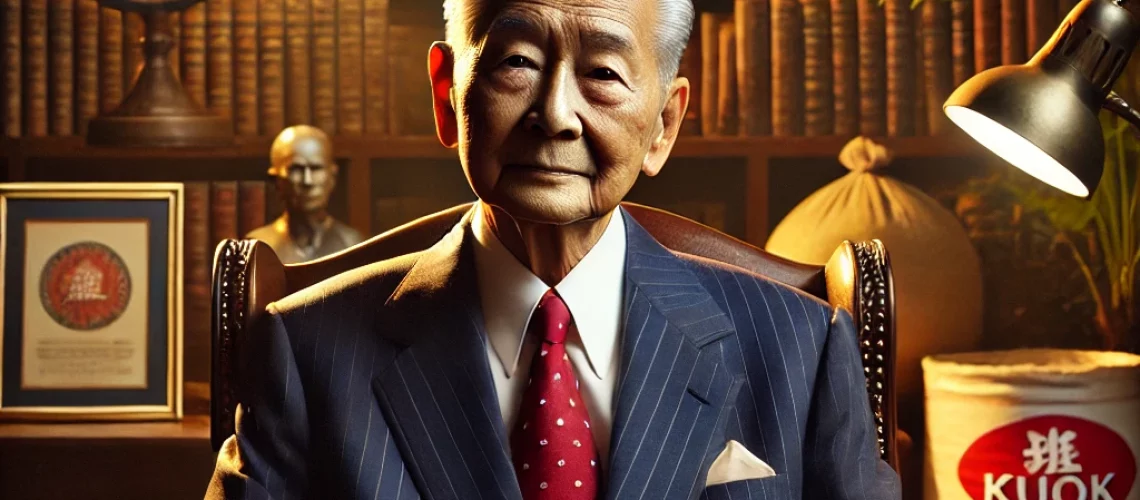

Robert Kuok, famously known as the “Sugar King” of Asia, built a vast business empire that began with sugar and expanded into other commodities like palm oil. His influence stretches across multiple industries and countries, making him one of Asia’s most prominent businessmen. Kuok’s success is rooted in his strategic investments and control of significant portions of the sugar market, alongside major stakes in Wilmar International, a leading global agribusiness group.
Starting from humble beginnings, Kuok recognized the potential of sugar as a commodity in Southeast Asia. He established Malaysia’s first sugar refinery and eventually controlled a dominant share of the sugar market. This solid foundation allowed him to diversify into palm oil and other sectors, securing his place among the wealthiest and most influential figures in Asia.
His story is not just about wealth but also about vision, persistence, and the ability to capitalize on emerging markets. Kuok’s journey illustrates how focused commodity investments can lead to broad business success across borders and industries.
Early Life and Education
Robert Kuok’s early years were shaped by his family environment, upbringing in Malaysia, and formal education. These elements played a crucial role in laying the groundwork for his later success in business, particularly in the sugar industry.
Family Background
Robert Kuok was born on October 6, 1923, in Johor Bahru, Malaysia. His family was already engaged in the sugar trading business, which provided him with an early exposure to commerce. He was the youngest of three siblings in a family known for its trading acumen.
The Kuok family valued entrepreneurship, and this environment cultivated Robert’s interest in business from a young age. His father’s experience in trading sugar would later influence Robert’s decision to enter and dominate the sugar market.
Childhood in Malaysia
Growing up in Johor Bahru, Robert Kuok experienced the socioeconomic changes of colonial and post-colonial Malaysia. During the Japanese occupation of Malaya in World War II, Kuok worked as a clerk for a Japanese company in Singapore.
This period gave him practical experience in business operations despite the challenging political environment. His early work instilled discipline and an understanding of market dynamics that benefited his future ventures.
Academic Pursuits
Kuok attended school in Malaysia but did not pursue higher education abroad, focusing instead on gaining practical business experience. His education combined formal schooling with on-the-job learning.
Rather than following a traditional academic route, Kuok’s approach was hands-on, learning through direct involvement in business activities. This blend of learning styles helped him develop the skills needed to successfully manage and grow his enterprises.
Business Beginnings
Robert Kuok’s early career set the foundation for his later success in the sugar and palm oil industries. His ventures started small but quickly expanded into commodity trade, shaped by his family background and the business environment of his time.
Initial Ventures
Kuok began his entrepreneurial journey with Kuok Brothers Sdn Bhd, a company he founded in 1949 with his brothers and cousin. The business initially focused on trading commodities in Malaysia. His early work involved building relationships with suppliers and buyers, gaining insight into market dynamics.
He then shifted into more specialized trade sectors. Kuok’s hands-on approach helped him understand supply chain intricacies, setting the stage for his move into sugar refining. This period was marked by gradual growth and careful investment, laying a stable groundwork for future expansions.
Entry Into the Commodity Trade
In the 1950s, Kuok identified sugar as a lucrative opportunity in Southeast Asia. He founded Malaysia’s first sugar refinery, rapidly gaining significant market share. The company eventually controlled about 80% of the Malaysian sugar market and 10% globally.
Kuok diversified into palm oil, acquiring major stakes in Wilmar International later on. His commodity dealings extended beyond sugar, including flour milling. His ability to control production and distribution channels gave him a competitive edge in the regional market.
Early Influences Shaping His Career
Born in 1923 to Chinese immigrant parents in Johor Bahru, Malaysia, Kuok grew up in a business-oriented family. His father was involved in rice trading, exposing Kuok early to commerce and the importance of strong business ethics.
The family partnership emphasized trust and shared responsibility, essential values that Kuok carried throughout his career. The postwar economic environment also played a role, as Kuok capitalized on emerging opportunities during Malaysia’s industrial growth phase.
Rise as the “Sugar King” of Asia
Robert Kuok built a dominant position in the sugar industry through strategic control, partnerships, and regional growth. His ability to monopolize production, collaborate with key players, and expand across Southeast Asia laid the foundation for his empire.
Monopolizing the Sugar Industry
Kuok founded the Malayan Sugar Manufacturing Company, quickly gaining a stronghold in Malaysian sugar production. His company produced about 90% of Malaysia’s sugar and around 10% of the global supply at its peak.
This control was achieved by streamlining operations, investing in efficient production technologies, and securing supply chains. His monopoly allowed him to influence pricing and distribution effectively, solidifying his reputation.
The sugar business became the core of Kuok’s wealth and was the reason for his “Sugar King” nickname.
Key Partnerships and Strategies
Kuok leveraged partnerships with local and regional businesses to strengthen his market position. He sought alliances that helped expand distribution networks and offered capital or operational expertise.
His strategy included diversification into related industries, such as palm oil and shipping, to create integrated supply chains. These moves reduced dependency on a single commodity and expanded business resilience.
Importantly, Kuok remained adaptable, adjusting strategies to navigate policy changes and market fluctuations while maintaining dominant market shares.
Regional Expansion in Asia
Kuok extended his sugar business beyond Malaysia, entering markets throughout Southeast Asia and beyond. His operations grew into a multinational empire, with production facilities and trade routes spanning key economic regions.
He capitalized on growing regional demand and emerging markets by establishing presence in Indonesia, Singapore, and China. This expansion was supported by investments in infrastructure and strategic acquisitions.
Regional growth reinforced Kuok’s influence and diversified his business interests, making his empire resilient to local market challenges.
Expansion Into Palm Oil and Wilmar International
Robert Kuok extended his business empire beyond sugar by acquiring significant palm oil plantations and investing heavily in Wilmar International. These moves solidified his influence in the agricultural commodities sector.
Acquisition of Palm Oil Plantations
Kuok strategically acquired vast palm oil plantations primarily in Malaysia and Indonesia. These plantations became a major source of raw materials for his downstream processing ventures.
The acquisition allowed him to integrate supply chains and reduce dependency on external suppliers. This vertical integration strengthened his control over production costs and market pricing.
His investments focused on sustainable production practices to meet growing global demand. The plantations comprise thousands of hectares managed with modern agricultural techniques to maximize yield.
Role in Wilmar International
Robert Kuok holds major stakes in Wilmar International, one of the largest agribusiness companies globally. Wilmar operates across the entire palm oil value chain, including refining, processing, and distribution.
His influence helped Wilmar expand rapidly in Asia, positioning it as a dominant player in edible oils and related products. The company’s widespread network supports both domestic markets and exports.
Kuok’s involvement also emphasizes strategic partnerships and market diversification. Wilmar’s listed status on the Singapore Exchange adds transparency and access to capital markets.
Diversifying Commodity Interests
Beyond sugar and palm oil, Kuok’s portfolio includes other commodities such as rice, soybeans, and timber. This diversification reduces risk from fluctuations in any one market.
He targeted sectors where supply chain control and market positioning could be optimized. Investments often focus on long-term value rather than short-term gains.
Kuok’s approach balances agriculture with property and logistics, enhancing overall operational efficiency. This diversified portfolio protects his interests against volatility in global commodity prices.
Building an International Business Empire
Robert Kuok expanded his influence through strategic acquisitions and by broadening his market reach across Asia. He leveraged his control in sugar to enter related industries and build stakes in major companies. His business network spans commodities and hospitality, reflecting calculated growth beyond a single market.
Major Mergers and Acquisitions
Kuok acquired significant interests in companies involved in sugar processing, palm oil, and other commodities. His major stake in Wilmar International, one of the world’s largest agribusiness firms, is a cornerstone of his empire. This investment strengthened his position in the palm oil market globally.
He also expanded into property and hospitality through acquisitions and founding the Shangri-La hotel chain. These moves diversified his portfolio and created new revenue streams. His approach prioritizes long-term value and market control rather than short-term gains.
Market Influence Across Asia
Kuok’s sugar business once controlled about 10% of the world’s sugar production, underpinning his influence in Asia’s markets. His businesses stretch across Malaysia, Singapore, Indonesia, and China, leveraging regional demand and supply chains.
By cultivating strong local partnerships and understanding market dynamics, he ensured competitive advantages across different sectors. His reach in palm oil and sugar has made him a critical figure in Asian commodity markets, affecting pricing and supply conditions.
Other Business Ventures and Investments
Robert Kuok expanded his portfolio beyond commodities, building significant interests in hospitality and media sectors. His strategic moves in these areas have shaped important regional businesses.
Hospitality Industry Initiatives
Kuok is the founder of the Shangri-La hotel chain, a luxury hospitality brand recognized across Asia and beyond. The chain operates premium hotels and resorts in key cities, focusing on high-quality service and strategic locations.
He leveraged his wealth from sugar and palm oil to invest heavily in the hotel industry during the 1970s. Shangri-La grew into one of Asia’s leading hotel groups, spanning urban and resort destinations.
This initiative broadened his corporate reach and diversified his investments in real estate and tourism. Shangri-La’s success contributes substantially to Kuok’s overall business empire.
Media and Telecommunications Interests
Kuok also developed important interests in media and telecommunications. Through his company, he has owned stakes or controlled entities involved in publishing, as well as television and radio broadcasting.
These investments gave him influence in shaping media content and distribution in Southeast Asia. His media ventures tend to focus on both traditional outlets and modern communication networks.
While not as large as his stakes in commodities and hospitality, these media-related investments remain essential components of his diversified business approach.
Philanthropy and Social Contributions
Robert Kuok has dedicated significant resources to initiatives that focus on education and community welfare. His philanthropic work extends beyond financial donations, emphasizing long-term impact and sustainable development.
Educational Support and Scholarships
Kuok established the Kuok Foundation, which prioritizes educational support. The foundation provides scholarships and grants to promising students, particularly in Malaysia and Hong Kong.
These scholarships target fields related to business, science, and technology, aiming to cultivate talent that can contribute to economic growth. Kuok’s approach combines financial assistance with mentorship and career guidance.
By supporting education institutions and research, Kuok also fosters innovation and skills development. This commitment reflects his belief in education as a critical driver for social mobility and national progress.
Healthcare and Community Projects
Robert Kuok’s philanthropy includes funding healthcare initiatives that improve access to medical services in underserved areas. He supports hospitals and clinics with equipment donations and infrastructure improvements.
Community projects backed by Kuok often focus on vulnerable populations, including low-income families and the elderly. These efforts help enhance quality of life through better health and social support systems.
Kuok’s contributions facilitate preventative healthcare programs and health education campaigns. This holistic approach aims to reduce healthcare disparities and promote community well-being.
Personal Life and Leadership Style
Robert Kuok maintains a private personal life while balancing close family relationships. His management style reflects a democratic and ethical approach, emphasizing collaboration and profit-sharing within his companies.
Family and Personal Relationships
Kuok values family privacy and keeps his personal life away from public scrutiny. Born into a trading family, he remains connected to his roots and appreciates the role his family played in supporting his early business endeavors.
He is known for fostering strong bonds with his immediate family. Despite his vast business empire, Kuok’s priority has been maintaining stability and unity within his household. This personal foundation is often credited with supporting his long-term business success.
Management Philosophy
Kuok practices a democratic management style, encouraging participation and open communication among his leadership teams. He believes in motivating employees through shared success and ethical business practices.
Profit-sharing is a key feature of his approach, fostering loyalty and high morale. Kuok also emphasizes humility and resilience, qualities he attributes to his own rise from modest beginnings. His leadership avoids authoritarian control, focusing instead on trust and mutual respect.
Legacy and Influence
Robert Kuok’s influence extends beyond his business empire to shaping how Asian enterprises operate globally. His success with commodities and strategic investments has set standards admired and studied widely.
Impact on Asian Business Landscape
Kuok transformed Malaysia’s sugar industry, achieving a near-monopoly that produced 90% of the country’s sugar and 10% of the global supply. His diversification into palm oil, through significant stakes in Wilmar International, marked him as a leading figure in agribusiness across Asia.
He also founded Shangri-La Hotels, bringing Asian luxury hospitality to the world stage. Kuok’s emphasis on long-term growth over short-term gains influenced corporate strategies throughout Asia. His approach combined traditional values with modern business techniques, fostering sustainable development.
Kuok’s discreet leadership style contrasted with many high-profile tycoons, proving that quiet diligence can lead to exceptional results. His success encouraged many Asian entrepreneurs to expand beyond local markets and adopt a global vision.
Lessons for Future Generations
Kuok’s career highlights resilience and strategic patience. Starting as a clerk and office boy, he built a multibillion-dollar empire by identifying key markets and avoiding speculative risks. His story underscores the importance of foundational knowledge and seizing opportunities during economic shifts.
He valued humility and discretion, choosing to maintain a low public profile despite immense wealth. This approach teaches future business leaders the value of focus and discretion in building lasting legacies.
Kuok’s investment in diverse industries—from sugar and palm oil to hotels and real estate—demonstrates the benefits of diversification. He also showed that ethical business conduct and steady growth can coexist in highly competitive industries.