
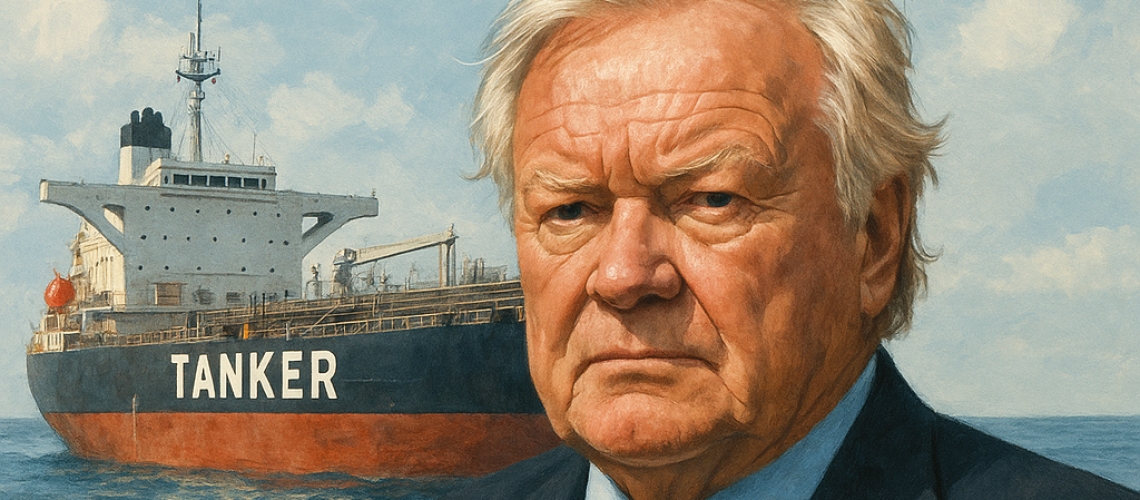

John Fredriksen is widely recognized as a leading figure in the global shipping industry, particularly in oil tankers. He built his fortune by strategically investing in tanker fleets, navigating market fluctuations to become one of the wealthiest shipping magnates in the world.
His career spans decades of shipping expertise, marked by sharp business decisions and an ability to capitalize on the volatile nature of maritime oil transport. Understanding Fredriksen’s approach provides insight into how one individual can dominate a niche market through calculated risks and industry knowledge.
Who Is John Fredriksen?
John Fredriksen is a Norwegian-born shipping magnate who built one of the largest tanker fleets in the world. His background and business strategies shaped his path to becoming a dominant figure in global shipping.
Early Life and Background
John Fredriksen was born in 1944 in Oslo, Norway. He moved to Cyprus in the early 1970s, which became his primary base for business operations. His family background included a connection to shipping, which influenced his career choice.
Fredriksen started his career working on cargo ships and later transitioned to shipbroking. This hands-on experience in maritime operations gave him insights into shipping markets and industry trends. His early exposure helped him develop the skills necessary to identify profitable opportunities.
Rise to Prominence
Fredriksen’s rise to prominence began in the 1970s when he acquired several secondhand tankers. He capitalized on market downturns by investing heavily when asset prices were low. Over time, his fleet expanded to include some of the largest oil tankers afloat.
By the 1990s, Fredriksen had built a multinational shipping empire, primarily focused on oil tankers and gas carriers. His companies, like Frontline and SeaTankers, became key players in global energy transport, combining aggressive acquisitions with efficient management.
Building the Tanker Empire
John Fredriksen’s growth in shipping involved strategic financial moves, corporate structuring, and targeted fleet expansion. His focus on acquiring vessels and optimizing shipping routes laid the foundation for a dominant presence in the tanker industry.
Initial Investments in Shipping
Fredriksen began his career by investing in small shipping vessels during the 1960s. He used profits from early trades to purchase larger, more efficient ships. His initial focus was on the Mediterranean and North Sea routes where demand for oil transport was rising.
He capitalized on the increasing need for crude oil transportation during the oil crises in the 1970s. Smart timing in purchases and sales allowed him to acquire ships at low prices during market downturns and sell high during upswings. This approach steadily increased his capital and fleet size.
Establishment of Frontline Ltd.
In 1985, Fredriksen established Frontline Ltd., transparent and publicly traded to attract investors. By listing Frontline on the Oslo Stock Exchange, he gained financial leverage to expand his tanker fleet.
Frontline quickly grew by acquiring second-hand tankers and modernizing its fleet. The company specialized in Very Large Crude Carriers (VLCCs) and Suezmax tankers, focusing on operational efficiency and cost control. This positioned Frontline as a major competitor in the global oil transport industry.
Expansion into Oil Tankers
Fredriksen expanded his fleet aggressively throughout the 1990s and 2000s, concentrating on large oil tankers to meet increasing global energy demands. His investments targeted cutting-edge vessels offering large capacity and fuel efficiency.
He diversified shipping routes, securing contracts with major oil producers worldwide. This included long-term charters that stabilized revenue. Fredriksen also adapted to changing regulations by ordering eco-friendlier tankers, ensuring compliance and maintaining market access.
Key Business Strategies
John Fredriksen’s approach to building his shipping empire centers on calculated risk-taking and capitalizing on market fluctuations. His strategies include decisive investments during uncertain times and exploiting downturns to acquire assets at reduced prices.
Bold Moves in Volatile Markets
Fredriksen is known for making large investments when others hesitate. He often buys vessels or expands fleets during periods of market instability, understanding that volatility brings future opportunities.
For example, during industry slumps, he has acquired new tankers when prices for shipping assets dropped significantly. This aggressive acquisition strategy positions him advantageously when market conditions improve.
He prioritizes scale and control, often investing in modern, large-capacity vessels that maximize profitability per voyage. This focus on efficiency and timing differentiates him from competitors who prioritize caution during volatility.
Leveraging Economic Downturns
Fredriksen views economic downturns as opportunities to strengthen his fleet and market share. When shipping demand contracts and prices fall, he leverages his financial reserves to purchase distressed assets at lower costs.
This counter-cyclical buying strategy reduces his average acquisition cost and increases his return potential when the economy rebounds. His ability to maintain liquidity during downturns stems from diversified holdings and tight cost management.
Additionally, he invests in maintenance and upgrades during slow market periods to ensure his vessels remain competitive. This approach allows him to offer reliable, cost-efficient services that attract long-term clients once demand returns.
Major Companies Owned by John Fredriksen
John Fredriksen controls key companies that dominate the shipping and offshore drilling sectors. These firms have significant fleets and operations that reflect his focus on oil transportation and maritime services.
Frontline Ltd.
Frontline Ltd. is one of the world’s largest crude oil tanker companies, primarily transporting crude oil worldwide. The company focuses on very large crude carriers (VLCCs) and Suezmax tankers, providing essential logistics in the global oil supply chain.
Fredriksen, through his investment vehicle, is a major stakeholder in Frontline. The company operates a modern fleet with an emphasis on efficiency and cost control, which helps it remain competitive in volatile markets. Frontline is also listed on multiple stock exchanges, including Oslo and New York.
Seadrill Limited
Seadrill Limited specializes in offshore drilling services, operating a fleet of drillships, semi-submersibles, and jack-up rigs. It serves major oil companies by providing drilling and well services globally, focusing on deepwater and harsh environment projects.
Fredriksen gained control of Seadrill to expand his influence in the offshore oil sector. The company has faced financial restructuring but remains a key player in offshore drilling. Its assets include advanced drilling technology suited for complex exploration sites.
Influence on Global Shipping Industry
John Fredriksen has shaped tanker market dynamics through strategic fleet management and investment decisions. His role in advancing maritime technology also stands out, influencing operational efficiency and environmental standards.
Impact on Tanker Market Trends
Fredriksen’s control of a significant portion of the global tanker fleet allows him to influence freight rates and capacity availability. By acquiring vessels during market downturns, he stabilized supply and protected asset values.
He pushed for diversification in tanker types, including crude oil, product, and LNG carriers. This approach mitigated risks tied to regional demand shifts and regulatory changes.
His companies often lead in modernizing fleets, which affects global tanker competitiveness. Fredriksen’s strategic timing in buying and selling assets adjusts industry supply, impacting pricing trends widely.
Contributions to Maritime Innovation
Fredriksen invested heavily in upgrading vessels with fuel-efficient engines and emission reduction technologies. His focus on LNG-powered tankers supports lower environmental impact operations.
He advocated for integrating automation and digital monitoring systems to improve safety and reduce operating costs. These innovations helped improve transparency and performance in shipping logistics.
His approach set benchmarks for sustainability in tanker operations. Fredriksen’s companies often collaborate on research to develop greener maritime fuels and more efficient ship designs.
Personal Life and Philanthropy
John Fredriksen has established a notable presence beyond his business ventures, reflected in his choice of residences and his focused charitable contributions. His personal decisions and philanthropic efforts underline his international lifestyle and commitment to specific causes.
Residences and Citizenship
Fredriksen was born in Norway but holds Cypriot citizenship, acquired for tax and business advantages. He resides primarily in London and Cyprus, aligning with his global business interests.
He owns multiple properties, including a significant estate in Cyprus. His living arrangements support his role as a major figure in international shipping and oil trading. Fredriksen’s lifestyle reflects a pragmatic approach to residence and nationality, common among global business figures.
Philanthropic Activities
Fredriksen contributes mainly to healthcare, education, and maritime-related causes. His donations have funded hospital equipment in Norway and supported maritime training institutions.
He prefers private philanthropy and often supports projects quietly instead of public campaigns. This approach reflects a targeted focus on improving sectors related to his industry and home country.
Controversies and Legal Challenges
John Fredriksen’s career includes various incidents and legal matters tied to his extensive shipping operations. These events highlight operational risks and regulatory scrutiny typical in the tanker industry.
Shipping Incidents
Fredriksen’s fleet has been involved in several significant maritime incidents. For example, some of his tankers have faced environmental scrutiny after oil spills or collisions. One notable case involved the oil tanker Bow Jubail, which experienced collisions in congested waters, attracting regulatory investigations.
These incidents often led to increased insurance costs and tighter operational controls. Fredriksen’s companies have sometimes been criticized for safety standards, though they typically respond with internal reviews and compliance improvements.
Reported Legal Disputes
Fredriksen’s business dealings have occasionally resulted in legal disputes focusing on contracts, ownership structures, and regulatory compliance. In 2017, a lawsuit involved one of his oil shipping subsidiaries on allegations of breaching environmental regulations in Asia.
Additionally, Fredriksen’s complex corporate network has drawn attention in tax and jurisdictional cases. He has defended his practices successfully but continues to face challenges linked to cross-border shipping laws and maritime regulations.
Legacy of the Tanker King
John Fredriksen’s impact on the shipping industry is marked by his strategic vision and business acumen. He transformed a modest fleet into one of the largest tanker operations globally.
His leadership style emphasized efficiency and risk-taking, allowing his companies to thrive in volatile markets. Fredriksen’s influence extends beyond shipping, into offshore drilling and seafood industries.
Fredriksen’s wealth and assets reflect decades of sustained growth, but his reputation is built on more than financial success. He is known for reshaping tanker ownership and operations worldwide.
Key aspects of his legacy include:
- Expansion of deep-sea tanker fleets
- Pioneering consolidation in shipping markets
- Significant investments in oil exploration and drilling
He has maintained a low public profile despite his stature in global shipping. This approach contrasts with many industry figures who seek media attention.
Fredriksen’s legacy also includes philanthropy, focusing on Norwegian and international projects. His contributions support education and healthcare initiatives.
In sum, his legacy is defined by business innovation, market leadership, and quietly impactful philanthropy.